Blackout Blinds 101: Understanding Light Gaps
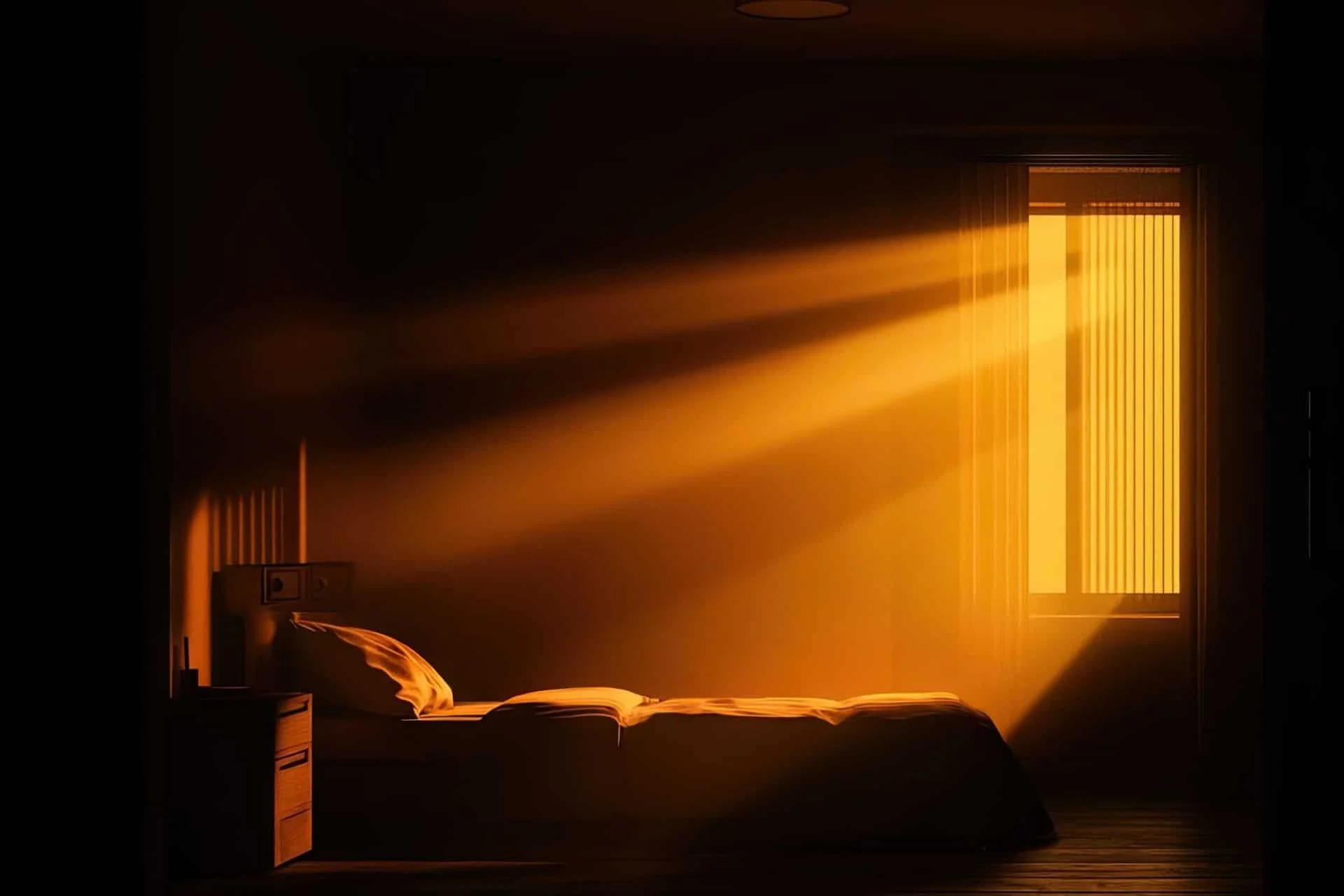
You finally did it. You invested in blackout blinds, excited about those lazy Sunday mornings sleeping in and binge-watching your favorite shows in total darkness. But then sunrise hits, and suddenly there's a glowing halo around your window like some kind of unwelcome wake-up call. What gives?
If you're dealing with light seepage around your blackout blinds, you're definitely not alone. It's one of the most common frustrations we hear about from homeowners in Surf City, Sneads Ferry, and Hampstead. The good news? Understanding why it happens is the first step to getting the pitch-black room you're dreaming of.
What Are Blackout Blinds Really Blocking?
Let's start with the basics. Blackout blinds are window treatments designed with special fabrics or materials that block nearly all incoming light. Unlike standard blinds or shades that filter light, blackout options use dense, tightly woven materials or multiple layers to prevent light from passing through the fabric itself.
Both cellular shades and roller shades come in blackout varieties, each using different construction methods to achieve darkness. Cellular shades feature a honeycomb structure with blackout fabric, while roller shades use a single piece of dense, light-blocking material. The fabric does its job beautifully—when light hits it directly, virtually nothing gets through.
But here's the catch: blocking light through the fabric is only part of the equation.
The Three Culprits Behind Light Seepage
Even the highest-quality blackout blinds can let light sneak into your room, and it usually happens in three specific places: the sides, the top, and the bottom of your window treatment.
Side Gaps: The Sneaky Offenders
Side gaps are probably the most common source of light seepage. These are the spaces between the edge of your blind and your window frame. Even a quarter-inch gap on each side can let in surprising amounts of light, creating those annoying bright lines down the sides of your window.
The gap exists because most blinds hang inside the window frame with a bit of clearance on each side to allow for smooth operation. Cellular shades and roller shades both need this operational space, which means there's almost always going to be some distance between the fabric edge and the frame.
Window frames themselves aren't always perfectly straight, either. That old beach house charm in our coastal homes? Sometimes it comes with settling and shifting that creates uneven gaps that vary in width from top to bottom.
Top Gaps: The Overhead Glow
Light doesn't just travel in straight lines—it bounces and reflects. The gap between your headrail (the mechanism that holds your blinds) and the wall or window frame above it can let light pour over the top of your blackout blinds, washing down across the fabric.
This is especially noticeable with roller shades, where the rolled fabric sits in front of the mounting bracket. Even when fully lowered, there's often a visible space above where early morning sun can stream right over.
The depth of your window frame plays a role here, too. Shallow frames mean less room to mount your blinds deeper into the recess, which can amplify the top gap situation.
Bottom Gaps: The Problem Underneath
Most people focus on the sides and top, but don't think about the bottom gap. This is the space between the bottom of your lowered blind and your window sill.
Cellular shades naturally want to stack slightly when lowered, sometimes creating a small lift at the bottom. Roller shades can curl slightly over time or not sit perfectly flush against an uneven sill. And if your windowsill isn't level? That gap might be wider on one side than the other.
Why Light Gaps Matter if You're Considering Blackout Blinds
Here's the reality: the blackout fabric in your cellular shades or roller shades is doing exactly what it's supposed to do. The material itself is blocking light brilliantly. The problem isn't the blind—it's the space around it.
Think of it like trying to darken a room by covering your window with a piece of cardboard. The cardboard blocks light perfectly, but if it's smaller than your window on all sides, light is still flooding in around the edges. The same principle applies to your blackout blinds.
Understanding where and why light seepage happens helps set realistic expectations and helps you recognize what's normal versus what indicates a potential installation or measurement issue. Not all light gaps are created equal, and knowing the difference matters when you're trying to create that perfect sleep sanctuary or home theater vibe in your coastal Hampstead home.
The bottom line? Your blackout blinds aren't failing you—they're just working within the physical constraints of how window treatments interact with your unique windows.
Let Surf City Blinds Help Your Perfect Light
At Surf City Blinds, we've spent over a decade helping homeowners achieve the perfect light control in their homes. As a family-owned and operated business, we take pride in guiding you through every step—from design and product selection to precise measurement and professional installation.
Every window is different, and that's why we offer FREE in-home consultations. We'll bring product samples directly to your space so you can see your options in action, and we'll precisely measure your windows to understand exactly what you're working with. Whether you're dealing with tricky side gaps, overhead light seepage, or uneven sills, we'll assess your unique situation and help you find the ideal solution. Request your free in-home consultation today, and let's transform those windows together!