Why Are My Blinds Fading and What Can I Do About It?
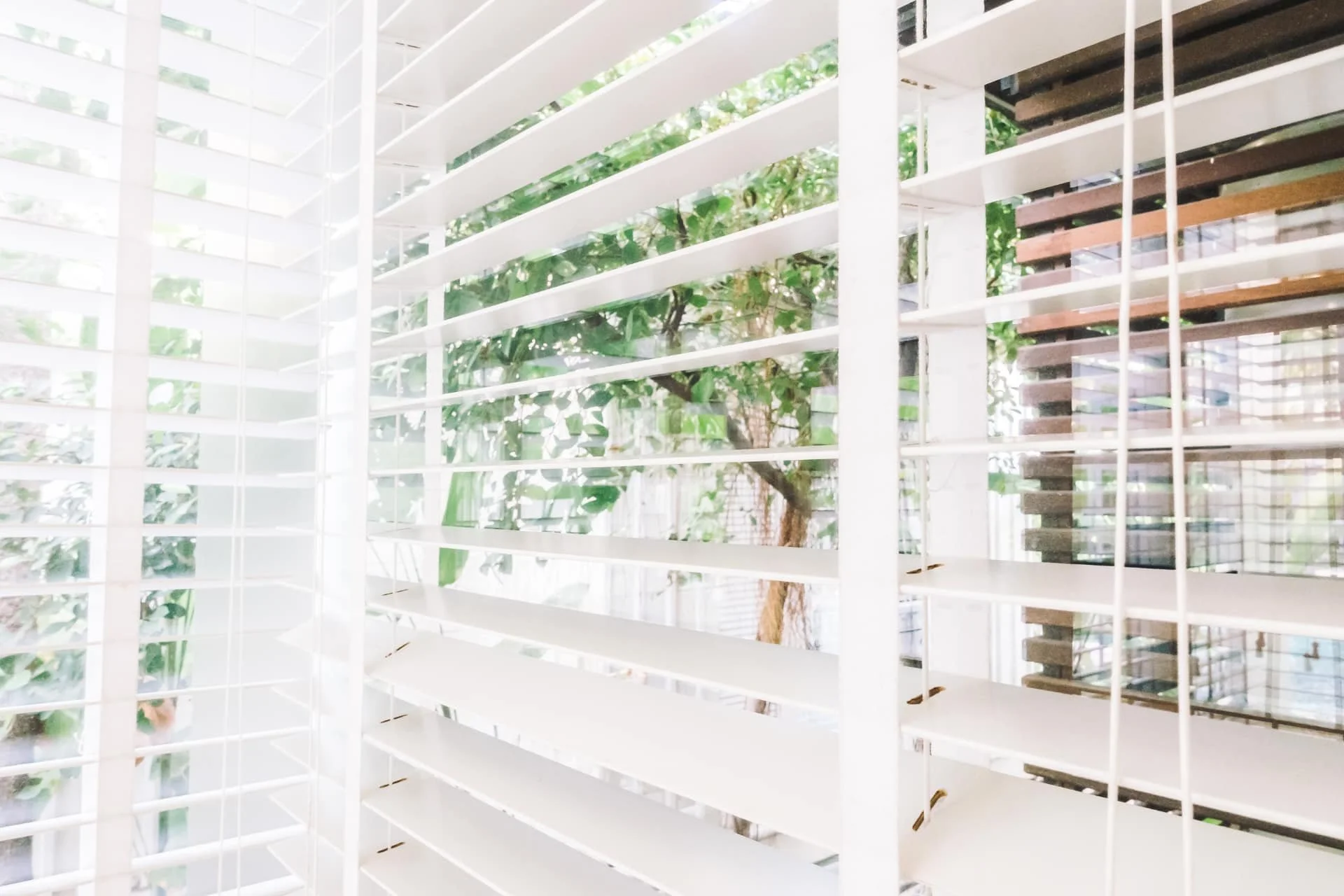
If your blinds are fading, UV exposure is almost always the culprit; it breaks down the pigments and materials in fabrics, vinyl, and even some wood finishes over time. Coastal homes have it worse than most: long sun exposure hours, light bouncing off water and sand, and little tree cover for shade all add up to serious cumulative UV exposure on windows year-round. The good news is that fading can be slowed significantly, and in some cases nearly eliminated, once you know which materials actually hold up and which habits help protect them.
Understanding what's actually causing the fading is the first step to picking a replacement that won't just fade all over again.
What Causes Window Treatments to Fade?
The short answer is UV radiation. Materials used in construction, textiles, and outdoor and indoor products undergo gradual photodegradation when exposed to solar UV radiation over time, a process that affects appearance through discoloration, yellowing, and loss of structural integrity in the material itself. This isn't unique to blinds. It's the same basic process that fades outdoor furniture cushions, car interiors, and even painted exterior surfaces. Heat exposure compounds the issue, since higher temperatures accelerate the chemical breakdown that causes color loss in dyes and pigments.
Windows that face south or west typically see the most direct, sustained sun exposure throughout the day, which is why blinds in those rooms tend to fade faster than those in north-facing windows. In Surf City and Topsail Beach homes, that effect often gets amplified further: light reflecting off the water, the sound, or open stretches of sand can hit a window from more than one angle at once, adding to the UV load beyond what direct sunlight alone would cause. A window that would be considered moderately exposed inland can end up facing coastal-level UV intensity simply because of what it's reflecting off of nearby.
Why Do Coastal Homes See Faster Fading Than Inland Homes?
Properties near the coast deal with a few compounding factors that inland homes don't. Reflected sunlight off water, sand, and light-colored coastal architecture increases the total UV exposure hitting windows beyond what direct sun exposure alone would cause. The UV Index, which the EPA uses to track daily ultraviolet intensity, also tends to run higher in coastal areas during peak summer months due to less atmospheric interference and fewer natural barriers like dense tree cover. Combined with longer daylight hours during the warmer months, coastal homes often see noticeably faster fading on south- and west-facing windows compared to similar homes further inland.
Which Window Treatment Materials Resist Fading Best?
Not all materials respond to UV exposure the same way. Faux wood blinds resist fading and warping better than real wood in high-sun, high-humidity rooms, since the material doesn't dry out or discolor the way natural wood can over time. Vinyl and PVC-based products formulated with UV inhibitors also tend to outperform untreated materials in direct sun exposure. When selecting new window treatments for a sun-heavy room, asking specifically about UV resistance ratings or fade warranties can help narrow down options built to handle that kind of exposure.
Can Existing Faded Blinds Be Restored, or Need Replacement?
Once fading has set in, it generally can't be reversed. UV-related discoloration happens at the molecular level within the dye or pigment, which means cleaning or treating the surface won't restore the original color. In most cases, once blinds show visible fading, especially uneven fading where slats exposed to direct sun look noticeably different from shaded sections, replacement is the only real fix. The upside is that replacing faded blinds allows you to choose a more fade-resistant material, reducing the chance of the same problem happening again.
What Else Can Be Done to Slow Future Fading?
Beyond material choice, a few simple habits help extend the life of any window treatment. Tilting slats to redirect direct light rather than blocking it completely can reduce concentrated UV exposure on any single section. Closing blinds partially during the most intense midday sun hours, rather than leaving them fully open all day, also reduces cumulative exposure. For especially sun-exposed rooms, pairing blinds with a UV-blocking window film adds another layer of protection without changing the look of the room.
Ready for Window Treatments That Can Handle the Coastal Sun?
Choosing the right window treatment for a sun-heavy coastal room means matching material, color, and construction to the realities of long-term UV exposure, not just picking whatever looks good in the showroom. At Surf City Blinds, we help homeowners across Wilmington, Jacksonville, Hampstead, Surf City, and Topsail Beach select custom blinds, shades, and shutters built to hold up against everything the coastal sun throws at them. Contact us today to schedule a free in-home consultation, and let us help keep your window treatments looking good for years, not just the first season.
Frequently Asked Questions
-
This varies widely based on sun exposure and material, but south- and west-facing windows in sun-heavy rooms can show visible fading within two to three years with lower-quality materials, while UV-resistant options can last significantly longer before any noticeable color change.
-
Darker colors often show fading more visibly because the contrast between faded and unfaded areas is more noticeable, even though the underlying UV damage may be similar across colors. Lighter, neutral tones tend to mask gradual fading more effectively.
-
Yes. UV-blocking window film can significantly reduce the amount of ultraviolet light reaching window treatments, which slows fading on whatever blinds, shades, or curtains are behind it.
-
Faux wood generally holds up better in rooms with intense, consistent sun exposure since it resists the warping and discoloration that real wood can experience over time, especially when combined with coastal humidity.
-
In most cases, fading is cosmetic, but prolonged UV exposure can also make certain materials more brittle over time, which may eventually affect how slats or fabric panels hold up to regular use.