How Do You Choose Window Treatments for a Bedroom to Improve Sleep Quality?
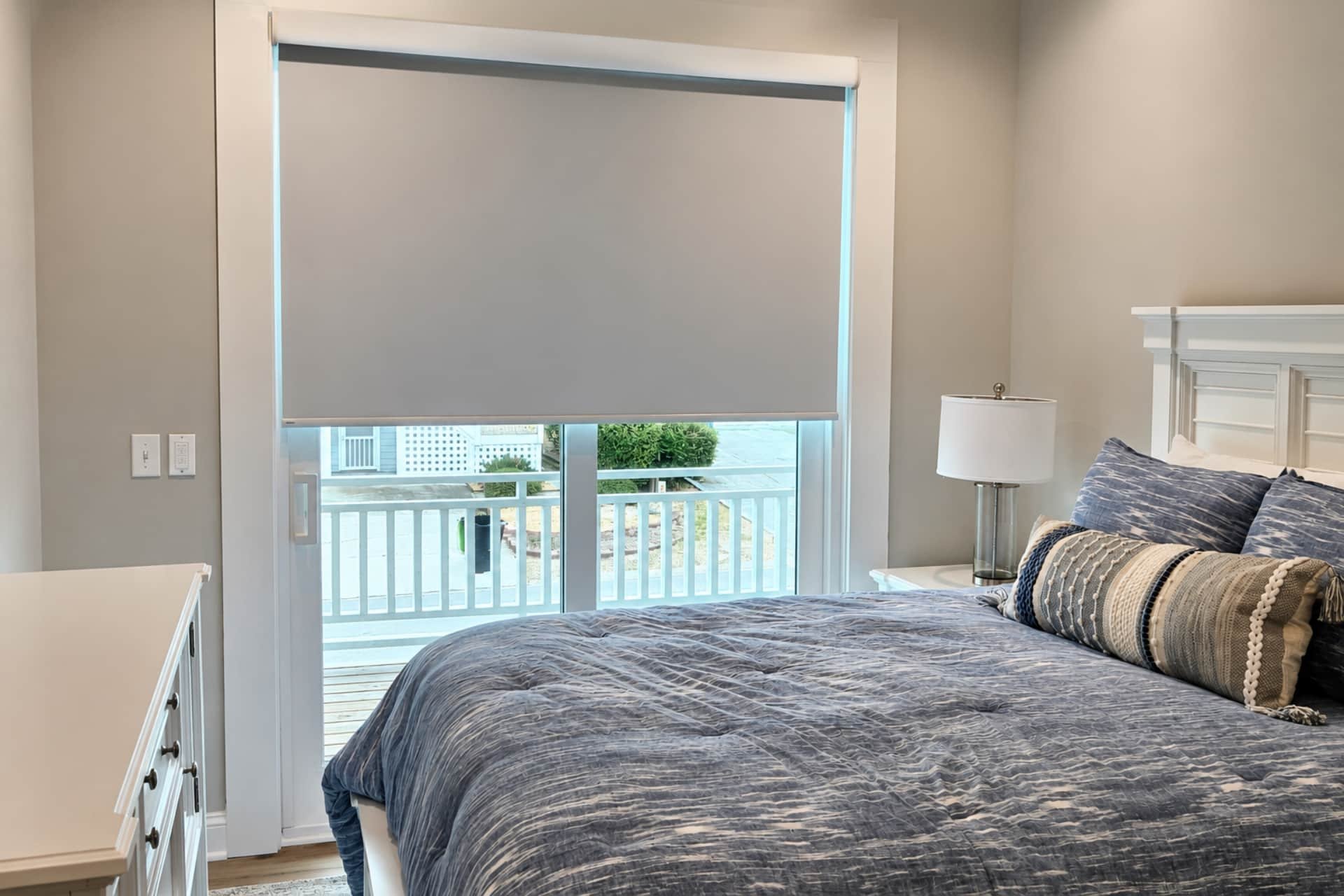
The best window treatments for better sleep are ones that block light exactly when it's disrupting you. That usually means a room-darkening shade or cellular shade for early sunrises and streetlights, or a day/night shade if you also want natural light at other times of day. It's a small fix for a problem most people have just learned to live with. There's a particular kind of tired that comes from waking up at 5:30 every morning to a sunrise you never asked for, or lying awake at midnight while a streetlight glows through the gap in your blinds like it's got somewhere to be. A lot of people just live with it, assuming that's what having a bedroom window means. It really doesn't have to be.
Why Does Light in the Bedroom Matter So Much for Sleep?
Your body reads light as a signal for when to be awake and when to wind down. Light sneaking in at the wrong time, whether it's a 5 AM sunrise or a streetlamp at midnight, throws that signal off and makes it harder to fall asleep or stay asleep. According to the CDC, a good sleep environment should be very dark, and covering windows with opaque coverings is one of the specific recommendations for improving sleep quality. This isn't a small thing either. According to the CDC's National Center for Health Statistics, 30.5 percent of U.S. adults slept less than 7 hours a night on average, and just over half of adults said they woke up feeling well-rested most days. Light exposure in the bedroom is one of the more fixable pieces of that puzzle.
Do Room-Darkening Shades Make a Big Difference?
For most people, yes. Room-darkening shades and cellular shades built with light-blocking liners cut out the large majority of outside light, which is exactly what you want if you're dealing with early sunrises, streetlights, or a room that just runs brighter than you'd like at night. They're a good fit for anyone whose sleep schedule doesn't match the sun, whether that's shift workers, light sleepers, or parents trying to keep a nursery dark for naps during the day.
What If I Still Want Some Natural Light During the Day?
This is where a lot of homeowners get stuck, assuming full room-darkening is the only option. It's not. A day/night shade solves this with a single treatment: one fabric band filters light during the day, and you switch to the room-darkening band at night with the same shade. Top-down bottom-up shades work well too, letting you cover just the portion of the window catching the worst of the light while leaving the rest open, without needing a second treatment at all.
Does the Material of the Window Treatment Matter?
It does, more than people expect. Tightly woven, opaque fabrics block more light than sheer or loosely woven materials, even if they look similar in the showroom. Cellular shades with a room-darkening lining tend to perform best because the honeycomb structure adds an extra layer of light-blocking material without adding bulk. Cordless and motorized options are worth considering too, especially if you want to close your shades from bed without getting up, which matters more than people admit when they're already half asleep.
What About Streetlights and Headlights Specifically?
These are trickier than a sunrise because they're not predictable and often hit windows at an angle. A well-fitted shade that covers the full window frame, with minimal light gaps on the sides, handles most of this. For persistent problem spots, like a bedroom window facing a driveway or a streetlamp directly outside, we sometimes recommend adding a simple side channel or track that closes off the light gaps entirely.
Ready for a Bedroom That Helps You Sleep?
We measure and install window treatments for bedrooms across Surf City, Sneads Ferry, and Hampstead all the time at Surf City Blinds, and it's one of the more satisfying rooms to solve for, since the difference is something you feel every morning. If you're tired of fighting your windows for a decent night's sleep, we'll walk through your room and show you what would block the light you're dealing with, in person. Get in touch to schedule a free in-home consultation and stop letting your windows decide when you wake up.
Frequently Asked Questions
-
Only if that's all you install. Choosing a day/night shade or a top-down bottom-up style lets you control exactly how much light comes through at any time of day.
-
Generally yes. The honeycomb structure in cellular shades adds an extra layer that blocks more light than standard slat blinds, especially at the edges of the window.
-
They can, mostly by making it easier to use your window treatments consistently. If closing your shades at night requires getting out of bed, it's more likely to get skipped.
-
Room-darkening cellular shades are usually the top choice for nurseries, since they block the large majority of light consistently regardless of the time of day.
-
Yes, though fit matters more than usual in this case. A properly measured shade with minimal side gaps, sometimes paired with a side channel, handles angled light better than an off-the-shelf option.