What Are the Best Window Treatments for a Restaurant or Retail Space in Coastal NC?
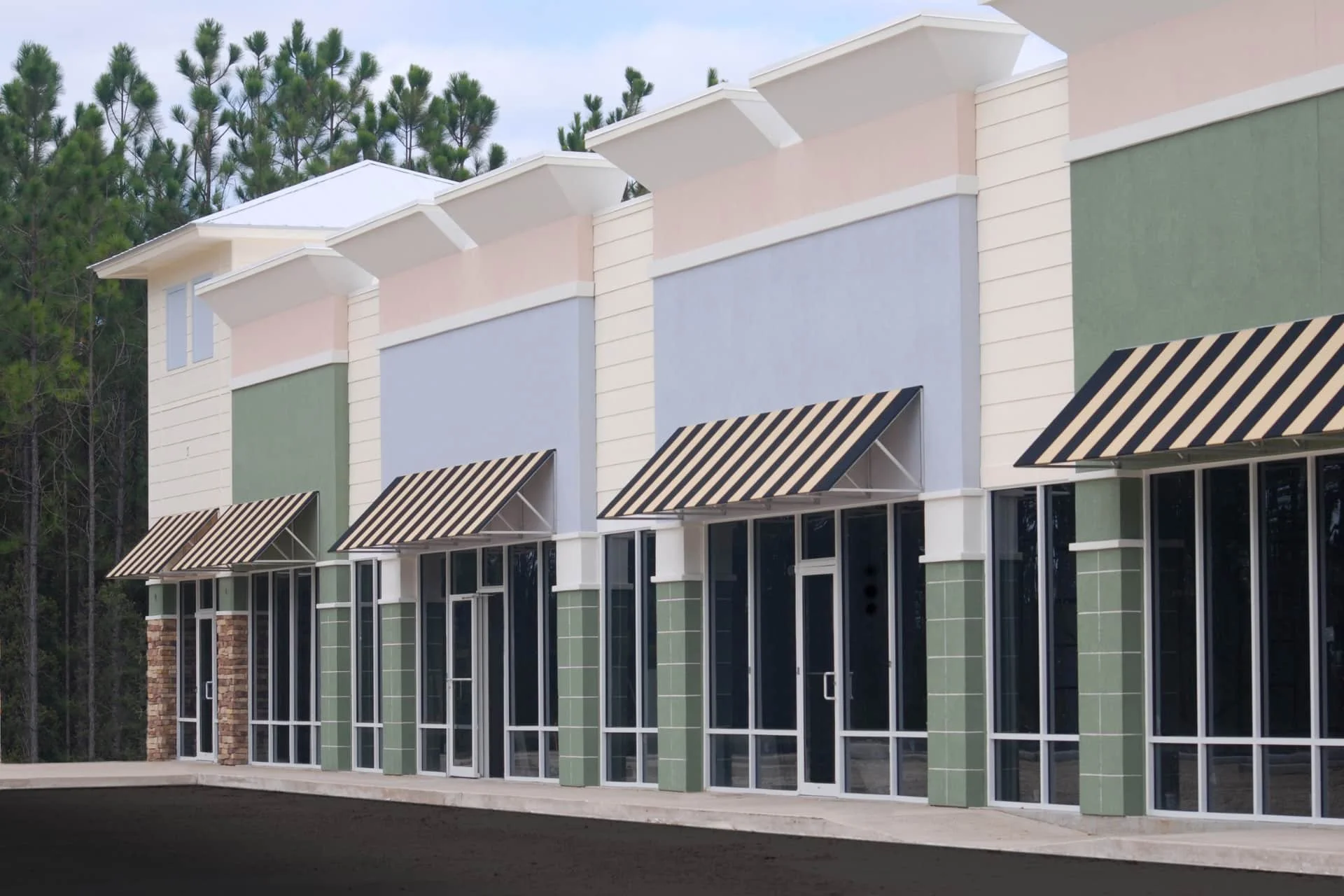
A restaurant or retail space lives and dies a little on first impressions, and windows are usually the first thing a customer sees before they've even walked through the door. The short answer: roller shades and solar screens work best for dining rooms and storefronts alike, since they cut glare and protect against sun fading without blocking the view that draws customers in, and durable materials like faux wood or vinyl hold up best against coastal humidity and salt air. We work with business owners across Surf City, Hampstead, and Sneads Ferry who are surprised by how much window treatments affect the day-to-day experience of running their space, not just how it photographs for a website.
What Makes Commercial Window Treatments Different?
Commercial spaces deal with a different set of demands than a home does. Foot traffic, business hours, brand consistency, and how a space reads to a customer walking in for the first time all factor into the decision in ways that don't come up as often in a residential consultation. Durability matters more too, since commercial window treatments get used constantly throughout the day rather than occasionally like a home might.
Staff is also part of the equation in a way homeowners rarely deal with. Someone on your team is usually the one adjusting shades throughout the day, whether that's cutting glare during a lunch rush or closing up storefront treatments at night, and treatments that are awkward or slow to operate become a small daily friction point that adds up over a year of service. Consistency across multiple windows matters too. A restaurant or retail space often has several windows visible at once from both inside and out, so treatments that don't match in operation or wear at different rates start to look mismatched fast, something a single window in a home rarely has to contend with.
Which Treatments Work Best for a Restaurant Dining Room?
Roller shades and solar screens tend to be the go-to for dining rooms, mostly because they control glare without blocking the view customers came for in the first place. Atmosphere matters more than most restaurant owners assume: the National Restaurant Association's 2025 State of the Restaurant Industry report notes that a clean, welcoming atmosphere and overall dining experience can outweigh meal cost itself when customers decide where to eat, which puts real weight behind getting the light and feel of a dining room right. If your restaurant has televisions for sports viewing, glare control becomes even more important, since harsh afternoon light on a screen can ruin the whole experience.
What About Storefront Windows for Retail?
Retail storefronts have a different job to do: draw people in without washing out merchandise displays in direct sun. Solar shades that filter UV without fully blocking the view work well here, protecting product displays from sun fading while keeping the storefront visually inviting from the sidewalk. Some retailers prefer treatments that can fully retract during business hours and close after closing time, giving displays maximum visibility when the store's open and some added privacy and security overnight.
How Do You Manage Glare Without Losing the View?
This is the balancing act most commercial spaces are trying to solve. Solar screen shades are built specifically for this, filtering out a significant portion of UV and glare while still letting customers see in and staff see out. The percentage of light filtering can be adjusted based on how much sun a specific window gets, so a west-facing storefront might need a heavier filter than a shaded entrance around the corner.
Does Coastal Humidity and Salt Air Affect Material Choice?
Salt air and humidity are tougher on window treatments here than most business owners expect, especially if they're used to shopping for materials that work fine somewhere inland. Faux wood and vinyl-based materials hold up far better than natural wood in a coastal climate, resisting warping and cracking that come with humidity swings. For spaces right along the water or with a lot of salt exposure, we typically steer commercial clients toward these more resilient materials rather than anything that looks great initially but needs replacing within a year or two.
Scheduling Installation Without Disrupting Business
Commercial installations get scheduled around business hours, not the other way around. That usually means early mornings, off-hours, or closed days depending on what works for a specific restaurant or retail schedule, so there's no lost revenue or disrupted service while the work gets done.
Multi-window commercial spaces also tend to take longer than a typical home install, so timing that around a single closed day or a slow weekday morning matters more than it might for a residential job. We coordinate directly with owners or managers ahead of time to map out exactly which windows get done in what order, so a dining room or sales floor is never fully out of commission at once. For businesses that can't close entirely, we can often phase the work across a few mornings instead of one long session, keeping the space functional throughout.
Why This Matters for Your Bottom Line
Window treatments affect more than appearance; they play a real role in a building's energy costs too. According to the U.S. Energy Information Administration, space heating is the single largest share of energy consumption in retail buildings, accounting for about 24 percent of total use. Well-chosen window treatments can meaningfully offset that by reducing how hard a space has to work to heat and cool itself throughout the year.
Ready to Upgrade Your Commercial Space?
At Surf City Blinds, we bring product samples directly to your restaurant or retail space so you can see exactly how each option looks before committing to anything, and we schedule every installation around your business hours. If you're ready to see what a difference the right window treatments make, request your free commercial consultation, and we'll come to you.
Frequently Asked Questions
-
It varies based on the size and number of windows involved, but commercial spaces often have larger windows or storefronts, which can affect overall project cost. Motorization, if chosen, also adds to the investment but pays off in convenience for a space used constantly throughout the day.
-
Consistency helps, especially for multi-window storefronts or dining rooms that customers see all at once, but it's not a strict requirement. Matching style and operation gives the space a more polished, cohesive look, while mismatched treatments across different windows can look unintentional even if each one functions fine on its own.
-
They can, particularly solar shades and UV-filtering fabrics positioned in front of display windows. Direct sun exposure fades merchandise and packaging over time, so filtering that light protects product without sacrificing storefront visibility.
-
Timelines depend on the number of windows and product type, but most commercial installations are scheduled during off-hours or closed days to avoid any disruption. We provide a clear estimate of timing during the initial consultation.
-
For spaces where staff need to adjust light levels frequently throughout the day, motorization often pays for itself in convenience alone. It removes the need for someone to manually manage cords across multiple windows during service or business hours.